In aqueous rechargeable zinc-manganese dioxide batteries (ZMBs), some irreversible side reactions, such as Mn2+ dissolution, often lead to capacity fading over cycling. These side reactions play a crucial role in the capacity and cycle performance of the battery. Recently, the team led by Prof. Pu Chen, a Fellow of Canadian Academy of Engineering, at the Eastern Institute of Technology, Ningbo, published a research article in Advanced Energy Materials titled "Mn2+ Ions Confined by Electrode Microskin for Aqueous Battery beyond Intercalation Capacity." The implementation of a bionic electrode microskin (EMS) composed of collagen hydrolysate to convert the irreversible side reactions into reversible reactions is reported. The proposed EMS effectively adsorbs and confines the Mn2+ ions around the cathode through van der Waals forces, hydrogen bonds, and/or ionic interactions, which makes the MnO2/Mn2+ reactions reversible during the charge/discharge process. Such Mn2+ dissolution reactions, with an ultrahigh theoretical capacity (617 mAh g-1), contribute a large amount of capacity, ≈44% of the total specific capacity at a low scan rate. Based on these fundamental findings, the assembled ZMBs with an EMS display an unprecedented discharge capacity of 415 mAh g-1 at 20 mA g-1, which overcomes the theoretical capacity (308 mAh g-1) limitation of the Zn2+ intercalation mechanism. More significantly, the EMS on all α-, β-, and γ-MnO2 cathodes exhibits similar high capacity beyond the theoretical capacity of Zn intercalation and capacity retention enhancement after 3000 cycles.
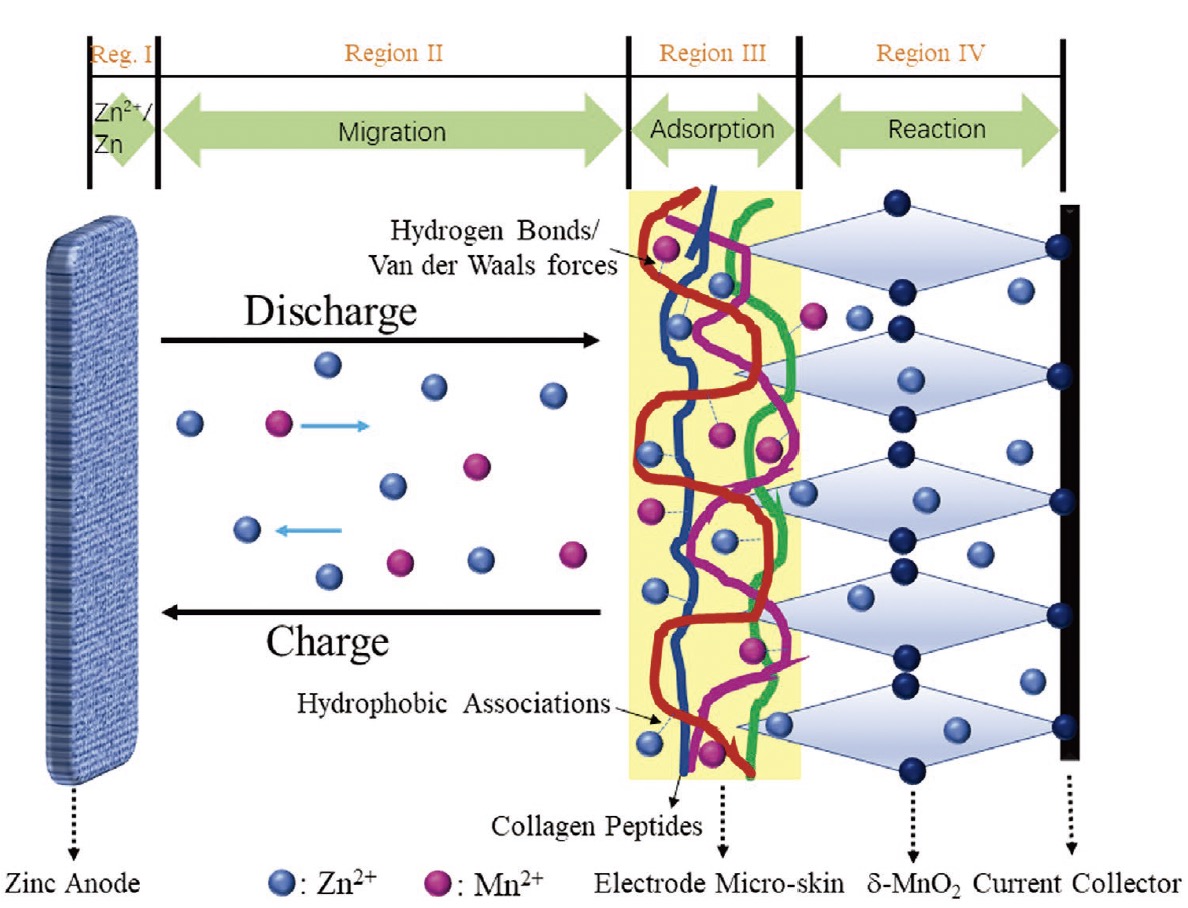
Scheme 1. Schematic illustration of collagen hydrolysate as an EMS in the aqueous rechargeable zinc-manganese dioxide battery. The EMS adsorbs the dissolved Mn2+ ions, converting the MnO2/Mn2+ redox reaction reversible during the charge/discharge process.
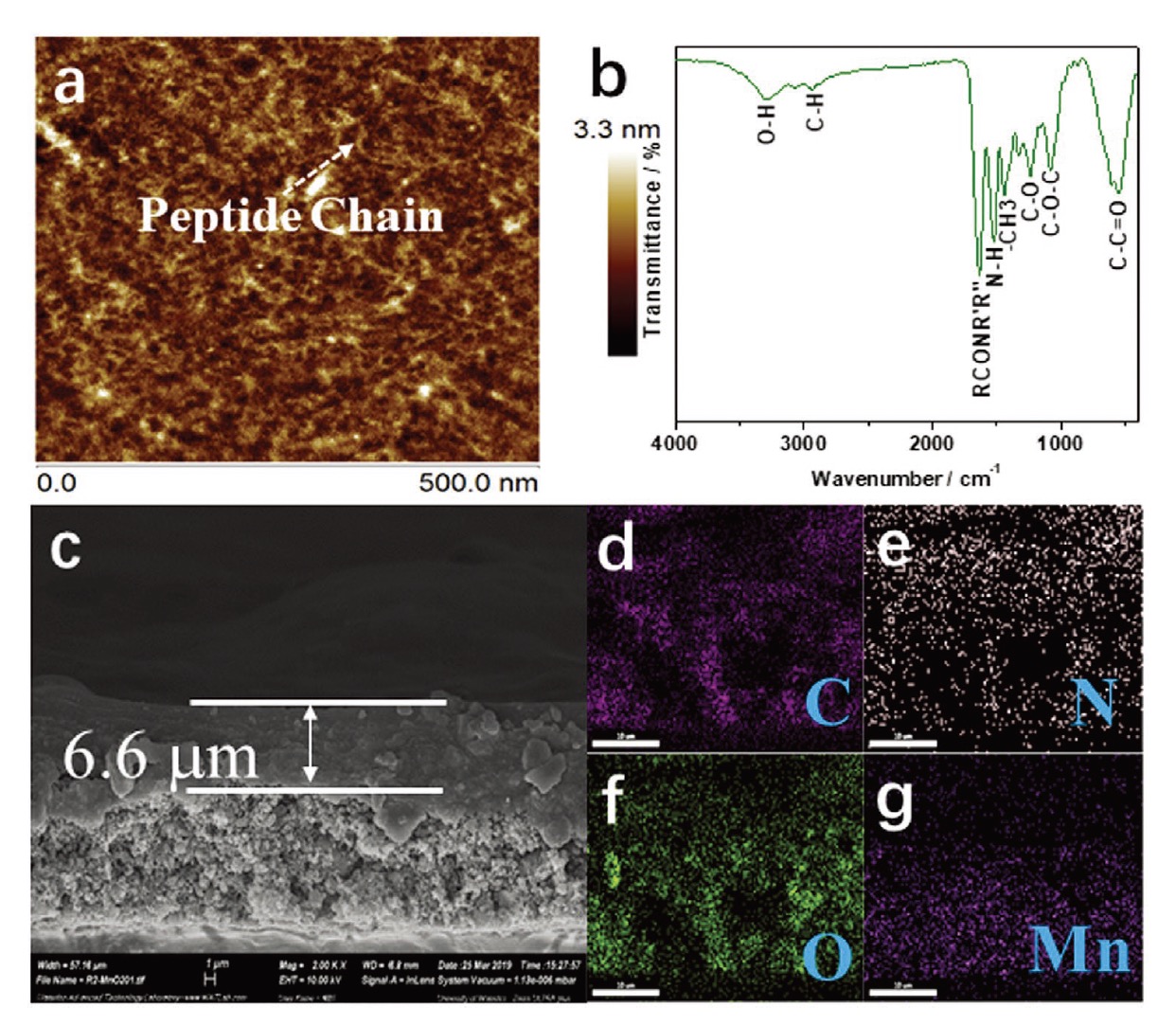
Figure 1. Characterization of EMS.
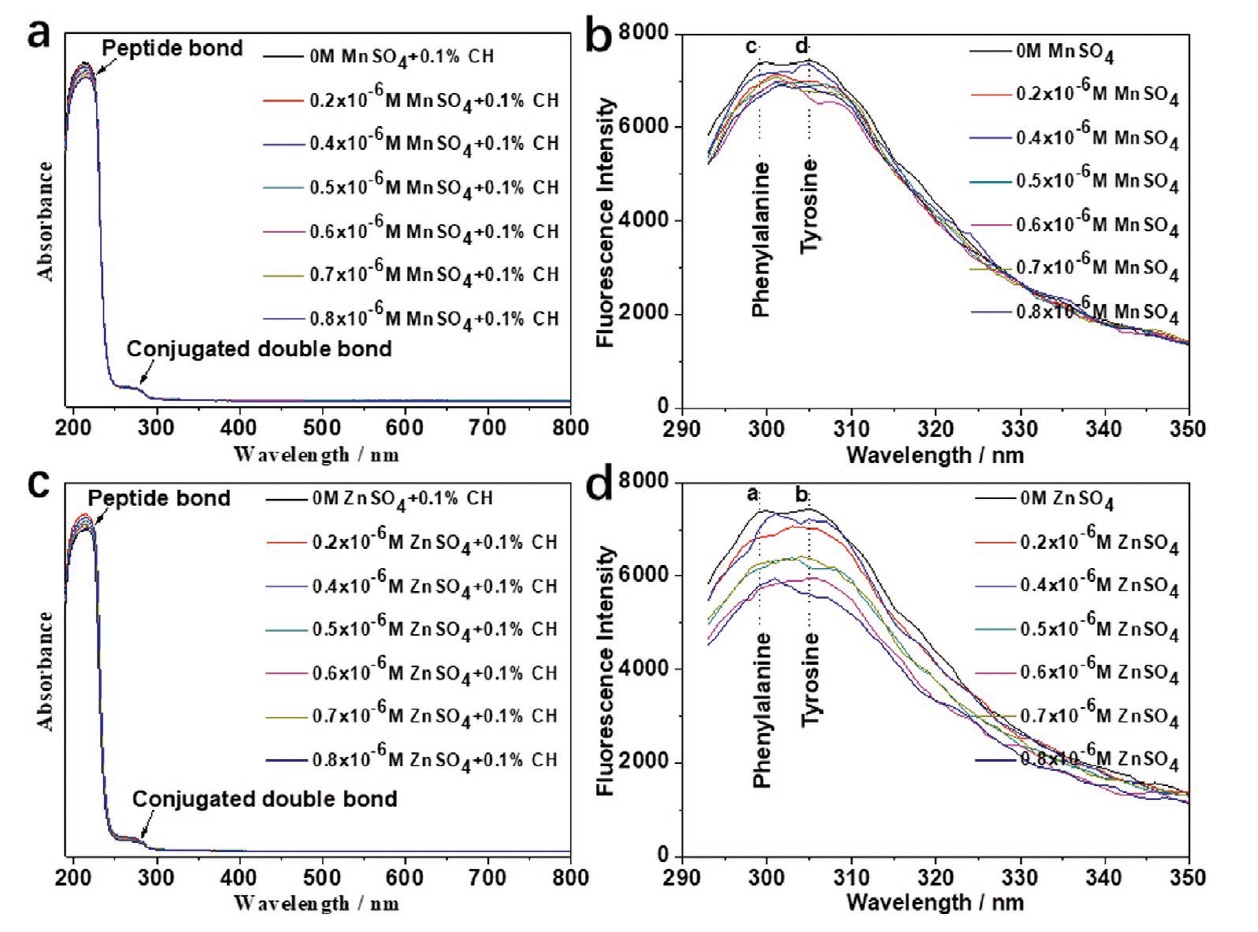
Figure 2. Molecular interaction between CH and Mn2+/Zn2+ ions.
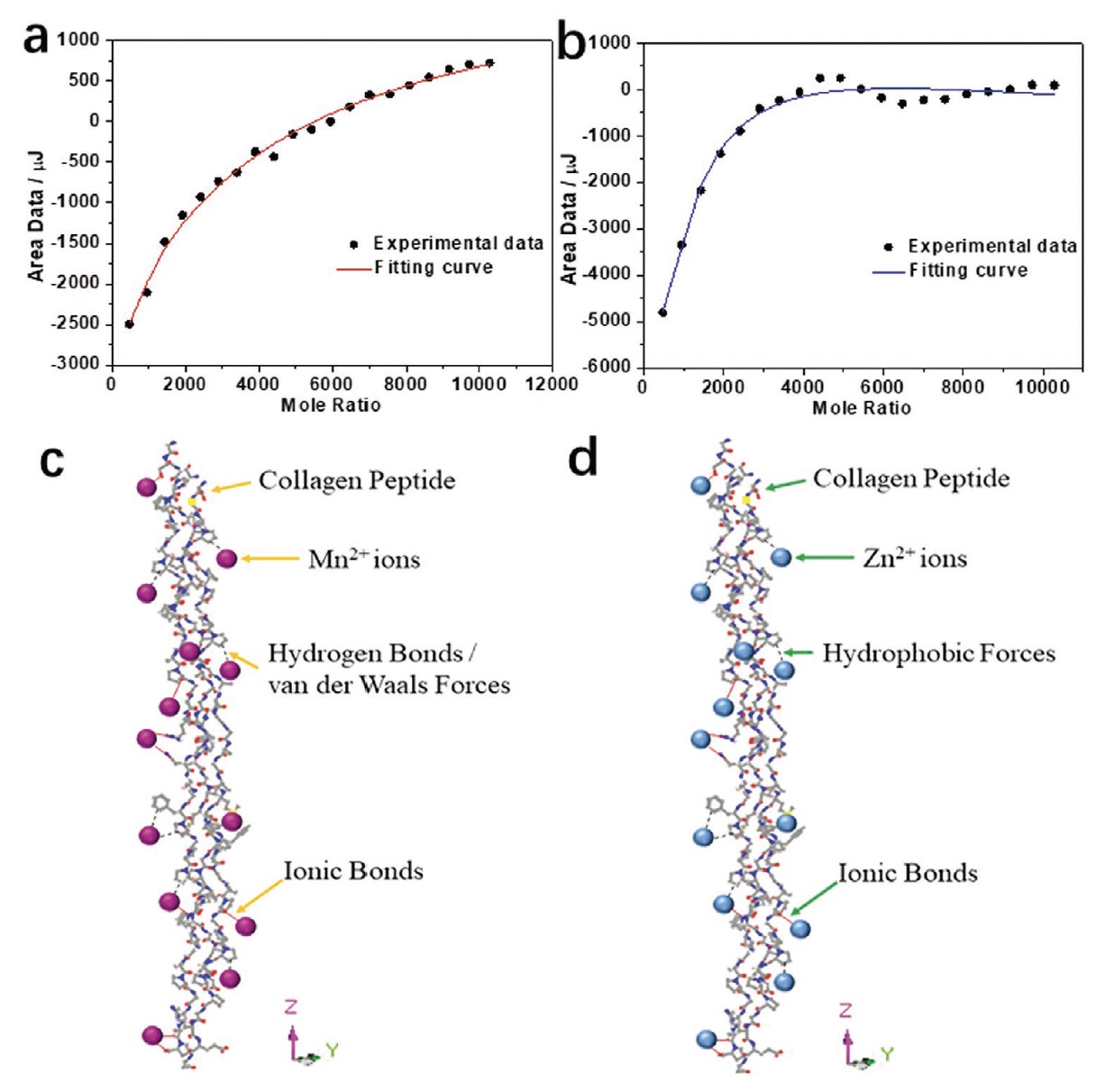
Figure 3. a,b) Fitting curves and experimental data obtained from ITC measurements. c,d) Schematic illustration of interactive forces between CH and Mn2+/Zn2+ ions, respectively.
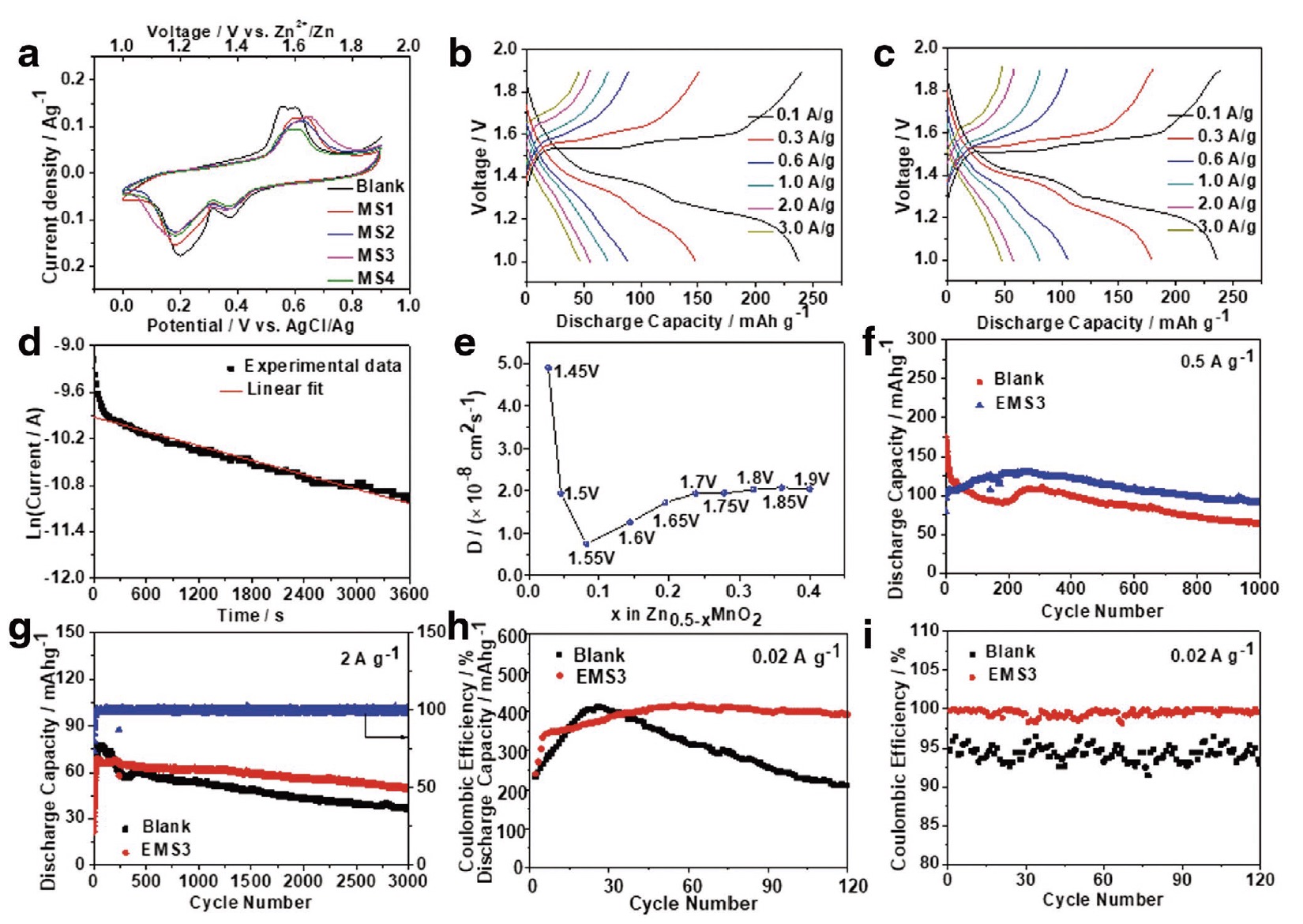
Figure 4. The ZMBS performance with the EMS (EMS1, EMS2, EMS3, and EMS4) and without the EMS (blank).
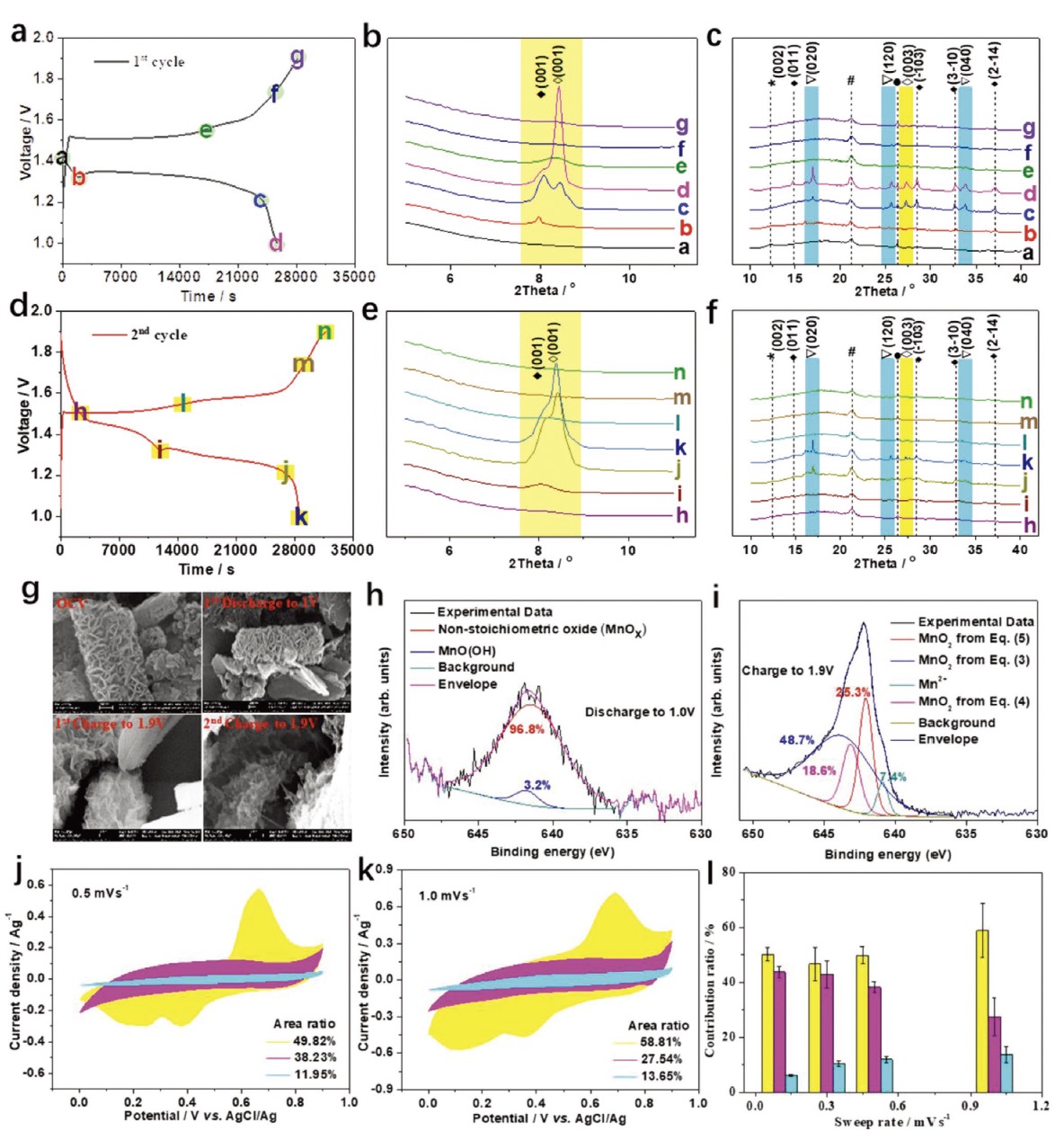
Figure 5. Electrode reaction mechanisms and respective capacity contribution of δ-MnO2 in ZMBs.
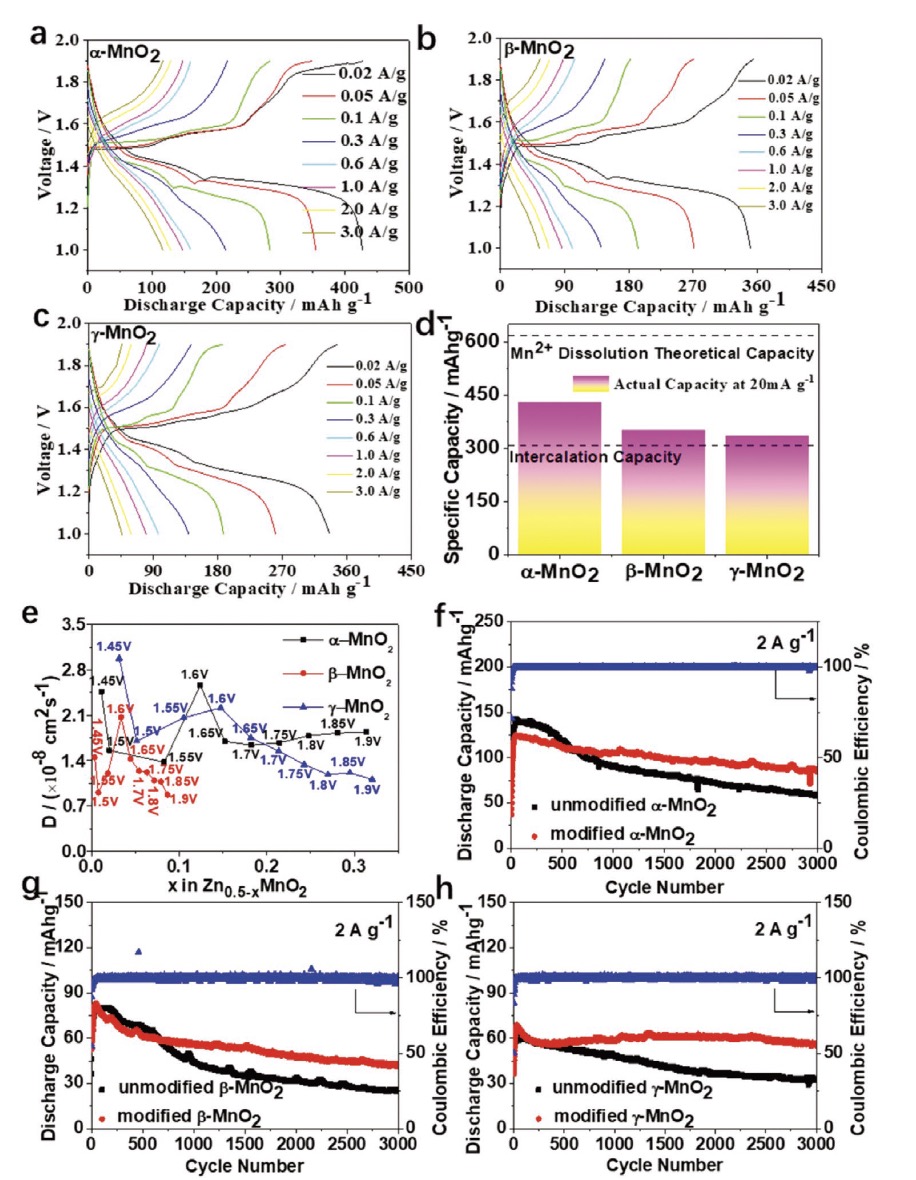
Figure 6. Feasibility of EMS modified α-, β-, and γ-MnO2.
Article Conclusions:
We found that the capacity fading over cycling was associated with the irreversible side reactions (i.e., Mn2+ dissolution). The implementation of an artificial electrode microskin composed of collagen hydrolysate was able to convert the irreversible side reaction reversible and hence enhance the cycle stability. Specifically, the constituent collagen hydrolysate contains functional groups in its amino acids, such as phenylalanine and tyrosine. These amino acids have the potential to adsorb the dissolved Mn2+ ions through van der Waals forces, hydrogen bonding, and/or ionic bonding interactions. This makes the MnO2/Mn2+ redox reaction reversible during the charge/discharge process, thereby increasing the capacity of the battery significantly. The assembled aqueous Zn//δ-MnO2 secondary battery with an electrode microskin of 10.1 µm in thickness displayed a discharge capacity of 415 mAh g-1 at 20 mA g-1, much larger than the theoretical limit for Zn intercalation capacity. The battery showed a capacity retention of ≈90% after 1000 cycles at 0.5 A g-1, more than 30% higher than that without an electrode microskin. More significantly, the electrode microskin on α-, β-, and γ-MnO2 cathodes showed similar capacity retention enhancement approximately 30% after 3000 cycles, indicating that the electrode microskin has a great potential in controlling side reactions in all MnO2, water-compatible electrodes. We expect that the proposed novel electrode microskin strategy is a promising and effective way to enhance the capacity and cycle lifespan of safe and economical aqueous rechargeable batteries.
Article Link:
https://doi.org/10.1002/aenm.202002578